Key Takeaways
- Defining how the entryway is used helps identify the storage solutions needed to reduce clutter and improve daily routines.
- Making use of vertical space with hooks, shelves, and tall storage units can maximize organization without sacrificing floor space.
- Creating a dedicated drop zone for everyday essentials helps keep important items organized and easy to find.
- Multifunctional furniture, such as storage benches and console tables with drawers, adds storage while maintaining a clean appearance.
- Proper shoe storage prevents one of the most common sources of entryway clutter and keeps walkways clear.
- Mirrors and improved lighting can make small entryways feel larger, brighter, and more welcoming.
- Consistent organizational habits and regular decluttering are essential for maintaining a tidy and functional entryway over time.
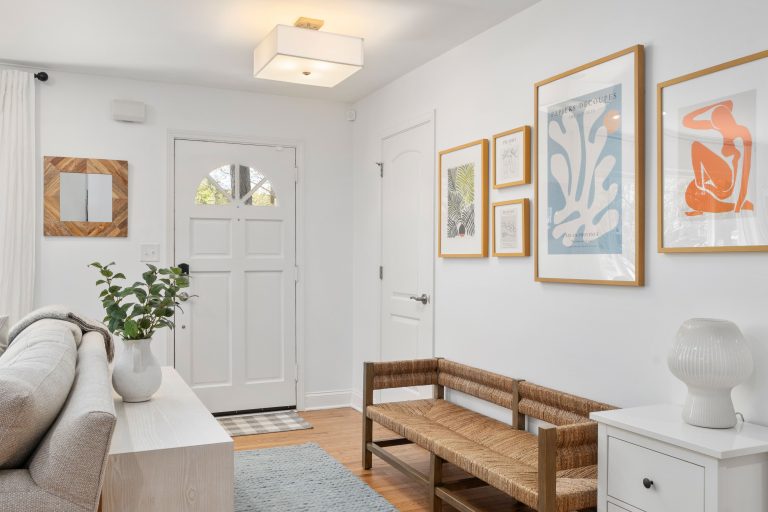
The entryway is often one of the smallest spaces in a home, but it serves one of the most important purposes. It is the first area people see when they enter and the last place they pass through before leaving. Because it handles so much daily traffic, the entryway can quickly become cluttered with shoes, bags, jackets, keys, mail, and other everyday items.
A disorganized entryway can affect more than just appearance. It can make mornings more stressful, create safety hazards, and make the entire home feel messier than it actually is. Fortunately, even the smallest entryway can become a functional and attractive space with thoughtful planning and smart storage solutions.
Creating an organized entryway does not require a large renovation or expensive furniture. In many cases, a few strategic improvements can dramatically increase storage, reduce clutter, and make daily routines more efficient. Whether you have a narrow hallway, a tiny foyer, or simply a small area near the front door, there are plenty of ways to maximize the available space.
This guide explores practical small entryway ideas that help keep your home organized, welcoming, and easier to maintain throughout the year.
Start by Defining the Purpose of the Space
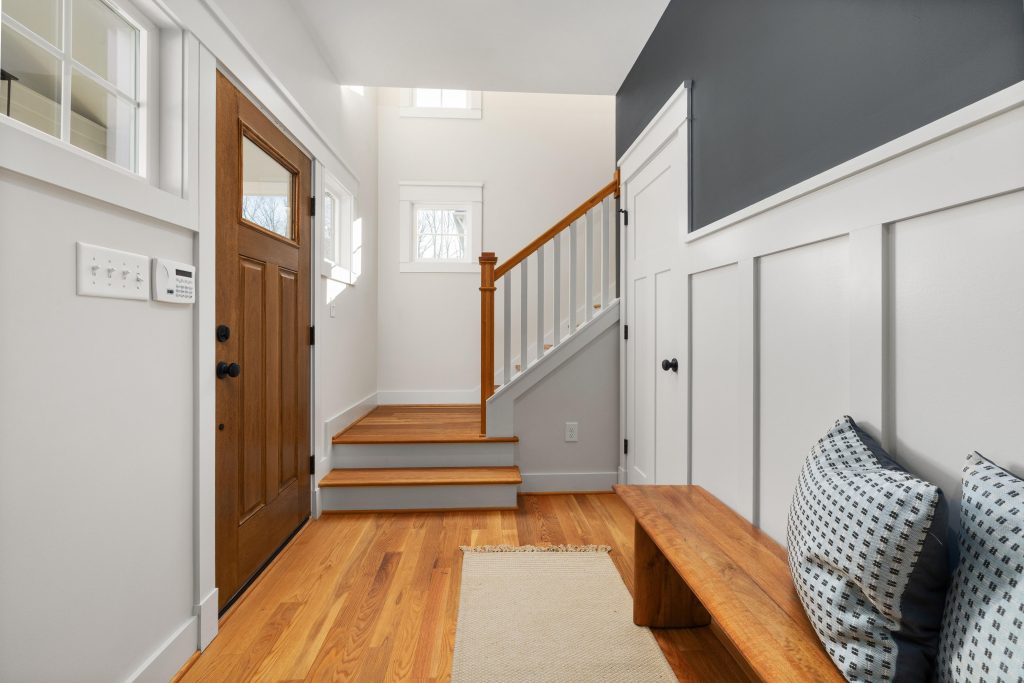
Before purchasing storage furniture or decorative accessories, it is important to understand how your entryway is used. Every household has different needs. A family with children may need shoe storage and backpack organization, while a couple may prioritize coat storage and a place for keys and mail.
Take a close look at the items that tend to accumulate near the entrance. These objects often reveal what storage solutions are missing. If shoes pile up by the door, additional shoe storage may be needed. If keys constantly disappear, a dedicated drop zone might solve the problem.
Understanding daily habits helps create a more functional design. Instead of adding unnecessary furniture, focus on solutions that support your family’s routines and reduce clutter where it naturally occurs.
Key questions to consider:
- What items collect near the door?
- How many people use the entryway daily?
- Is seating needed?
- Are coats and bags creating clutter?
- What storage solutions would improve daily routines?
Make the Most of Vertical Space
Small entryways often have limited floor space, making vertical storage one of the most effective solutions. Walls provide valuable storage opportunities that are frequently overlooked.
Wall-mounted hooks can hold coats, bags, umbrellas, and hats without taking up floor space. Floating shelves provide a place for decorative items while also storing essentials. Tall storage units can maximize capacity while maintaining a relatively small footprint.
Using vertical space helps keep floors clear and makes the area feel more open. It also allows homeowners to organize more items without overcrowding the entryway.
Even a narrow wall can become highly functional with a few carefully chosen storage features.
Ways to utilize vertical space:
- Install wall hooks
- Add floating shelves
- Use narrow storage cabinets
- Hang organizers
- Incorporate tall shelving units
Create a Dedicated Drop Zone
One reason entryways become cluttered is that everyday items lack a designated home. Creating a drop zone gives household members a specific place to put frequently used belongings.
A simple drop zone may include a small table, wall shelf, or storage cabinet where keys, wallets, sunglasses, and mail can be placed. Having a designated location reduces the likelihood of losing important items and prevents clutter from spreading throughout the home.
Drop zones can be customized to fit available space. Even a narrow floating shelf near the front door can provide enough room for daily essentials.
Consistency is important. Once everyone knows where items belong, maintaining organization becomes much easier.
Items commonly stored in a drop zone:
- Keys
- Wallets
- Sunglasses
- Dog leashes
- Small electronics
Choose Furniture That Offers Hidden Storage
When space is limited, multifunctional furniture can provide valuable storage while maintaining a clean appearance. Pieces that serve multiple purposes help maximize every square foot.
Storage benches are particularly useful in small entryways. They provide seating while offering hidden compartments for shoes, seasonal accessories, and other belongings. Console tables with drawers can store smaller items while maintaining a streamlined look.
Furniture with built-in storage reduces visible clutter and contributes to a more organized environment.
Selecting pieces that combine style and functionality helps create an entryway that is both attractive and practical.
Examples of multifunctional furniture:
- Storage benches
- Console tables with drawers
- Storage ottomans
- Hall trees
- Cabinets with shoe compartments
Keep Shoes Under Control
Shoes are often one of the biggest contributors to entryway clutter. Without a dedicated storage solution, footwear can quickly accumulate and create a messy appearance.
Shoe racks, cabinets, and storage benches provide designated spaces for footwear while keeping walkways clear. In especially small spaces, vertical shoe storage can maximize capacity without taking up valuable floor area.
Limiting the number of shoes stored near the entrance can also help. Consider keeping only frequently used pairs in the entryway and storing seasonal footwear elsewhere.
An organized shoe system can instantly improve the appearance of the entire space.
Popular shoe storage solutions:
- Shoe racks
- Closed cabinets
- Storage benches
- Vertical organizers
- Under-bench storage
Use Mirrors to Make the Space Feel Larger
Mirrors are one of the most effective design tools for small spaces. They reflect light, create the illusion of depth, and make entryways feel larger than they actually are.
A large mirror near the front door also serves a practical purpose by providing a convenient place for quick appearance checks before leaving the house.
Mirrors can help brighten darker entryways and contribute to a more welcoming atmosphere. When paired with proper lighting, they can significantly enhance the overall feel of the space.
Choosing a mirror that complements the home’s design style helps create a cohesive look.
Benefits of adding a mirror:
- Makes spaces appear larger
- Reflects natural light
- Brightens dark areas
- Adds decorative appeal
- Provides practical functionality
Improve Lighting for Better Functionality
Lighting plays an important role in both organization and appearance. A poorly lit entryway can feel cramped and uninviting, regardless of how organized it may be.
Layered lighting often works best. Combining overhead lighting with accent lighting can create a brighter and more welcoming environment. Wall sconces, table lamps, and pendant fixtures can all contribute to improved visibility.
Good lighting also makes it easier to locate items such as keys, bags, and shoes during busy mornings.
A well-lit entryway feels more open, organized, and comfortable.
Lighting improvements to consider:
- Upgrade overhead fixtures
- Add wall sconces
- Use warm light bulbs
- Install accent lighting
- Maximize natural light
Incorporate Baskets and Decorative Storage
Storage solutions do not need to look purely functional. Decorative baskets and containers can help keep clutter hidden while enhancing the appearance of the entryway.
Woven baskets are especially versatile because they work with many design styles, from farmhouse to modern. They can be used to store shoes, scarves, gloves, pet supplies, and other items that might otherwise create visual clutter.
Grouping similar items together in labeled baskets also makes it easier to maintain organization over time.
Stylish storage helps create a balance between practicality and design.
Items that can be stored in baskets:
- Scarves
- Gloves
- Pet accessories
- Shoes
- Reusable shopping bags
- Sports equipment
Plan Ahead Before Larger Entryway Improvements
Some homeowners eventually decide to renovate or redesign their entryway entirely. Before beginning a larger project, it is important to evaluate how the space functions and identify specific challenges.
Understanding what to do before renovating can help prevent costly mistakes and ensure that any upgrades truly improve organization and usability. Observing daily traffic patterns, storage needs, and existing frustrations provides valuable insight during the planning process.
Even small renovation projects benefit from thoughtful preparation. Careful planning helps ensure that improvements address practical needs rather than simply changing the appearance of the space.
Consider these factors before upgrading:
- Traffic flow
- Storage requirements
- Lighting needs
- Family habits
- Available square footage
Develop Habits That Support Organization
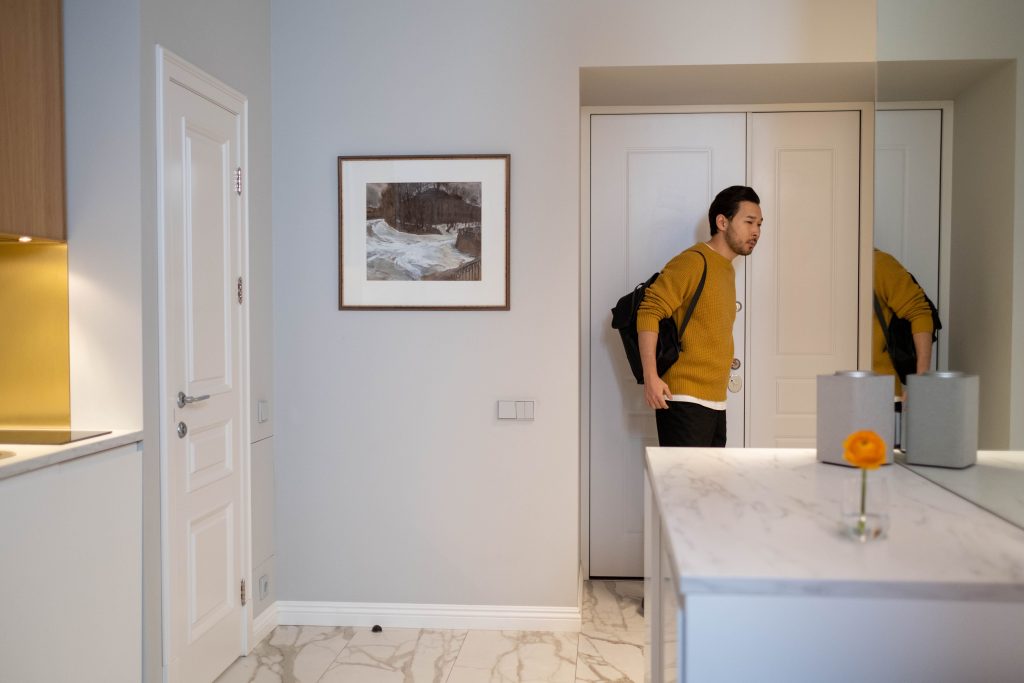
Even the best-designed entryway can become cluttered if organizational systems are not maintained. Long-term success depends on daily habits that support the space.
Encourage household members to return items to their designated locations immediately after entering the home. Taking a few seconds to hang up a coat or place shoes in a storage area can prevent clutter from accumulating.
Regularly removing unnecessary items also helps maintain order. Seasonal cleanouts are especially useful for preventing overcrowding.
Good habits allow organizational systems to work effectively over time.
Simple habits that keep entryways organized:
- Return items to designated locations
- Sort mail regularly
- Limit unnecessary items
- Rotate seasonal belongings
- Perform quick weekly cleanups
Balance Function and Style
An organized entryway should not feel purely utilitarian. Because it serves as the home’s first impression, appearance remains important. The most successful entryways combine practical storage with attractive design elements.
Artwork, decorative mirrors, plants, and thoughtfully chosen accessories can add personality without creating clutter. A simple color palette and cohesive design style help maintain a clean and welcoming appearance.
The goal is to create a space that supports daily routines while reflecting the overall style of the home.
When function and aesthetics work together, even a small entryway can have a significant impact.
Design elements that enhance entryways:
- Artwork
- Plants
- Decorative mirrors
- Coordinated storage containers
- Stylish lighting fixtures
Final Thoughts
A small entryway does not have to feel cramped, cluttered, or disorganized. With thoughtful planning, smart storage solutions, and consistent habits, even the smallest entrance area can become highly functional and visually appealing.
By maximizing vertical space, creating dedicated storage zones, controlling shoe clutter, improving lighting, and incorporating multifunctional furniture, homeowners can transform their entryways into spaces that support daily life and reduce household stress.
The best entryway designs are those that work with your family’s routines while maintaining a welcoming appearance. Small improvements made strategically can have a lasting impact on organization, convenience, and the overall feel of your home.