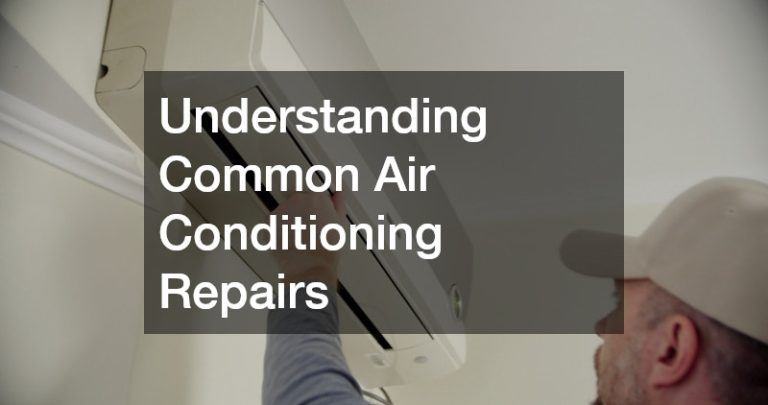
When a cooling system stops working properly, it can quickly disrupt comfort in any home, especially during hot and humid months. Many homeowners are surprised by how often small performance issues can turn into larger mechanical problems if they are ignored. This is where understanding the basics of air conditioning repair becomes valuable. Knowing what typically goes wrong helps you respond faster, reduce costs, and avoid unexpected breakdowns during peak heat.
Air conditioners are designed to run efficiently for long periods, but they rely on a combination of electrical, mechanical, and airflow components working together. When one part fails, the entire system can suffer. Some issues are minor and easy to fix, while others require professional attention and diagnostic testing. By learning the most common types of failures, homeowners can make smarter decisions about maintenance and timing for service calls.
Airflow Problems and Reduced Cooling Efficiency
One of the most common issues homeowners experience is reduced airflow. When air cannot move freely through the system, the entire cooling process becomes less effective. This often starts with something simple like a dirty air filter. Over time, filters collect dust, pollen, and debris, which restricts airflow and forces the system to work harder than necessary.
Blocked or leaking ductwork can also contribute to uneven cooling. Some rooms may feel too warm while others remain comfortable, creating an imbalance throughout the home. In addition, a failing blower motor may struggle to push air through the system, resulting in weak or inconsistent airflow.
When these issues are left unresolved, energy consumption increases and overall comfort decreases. In many cases, homeowners seek air conditioning repair after noticing higher utility bills or reduced cooling performance, even though the system appears to be running normally. Addressing airflow problems early helps prevent strain on other components and supports long-term system efficiency.
Refrigerant Leaks and Cooling Loss
Refrigerant is essential for absorbing heat from indoor air and releasing it outside. When levels drop due to leaks, the system loses its ability to cool effectively. This often leads to warm air coming from vents, longer cooling cycles, and increased energy usage.
Refrigerant leaks can develop slowly over time and may go unnoticed until performance declines significantly. In some cases, frozen evaporator coils are a sign of low refrigerant levels. When coils freeze, airflow becomes restricted, making the problem even worse.
Repairing refrigerant issues requires specialized tools and knowledge because the system must be sealed, recharged, and tested for safety. Homeowners should never attempt to handle refrigerant themselves due to environmental and safety regulations. A professional air conditioning repair technician can identify the source of the leak, restore proper levels, and ensure the system operates efficiently again.
Electrical Failures and System Malfunctions
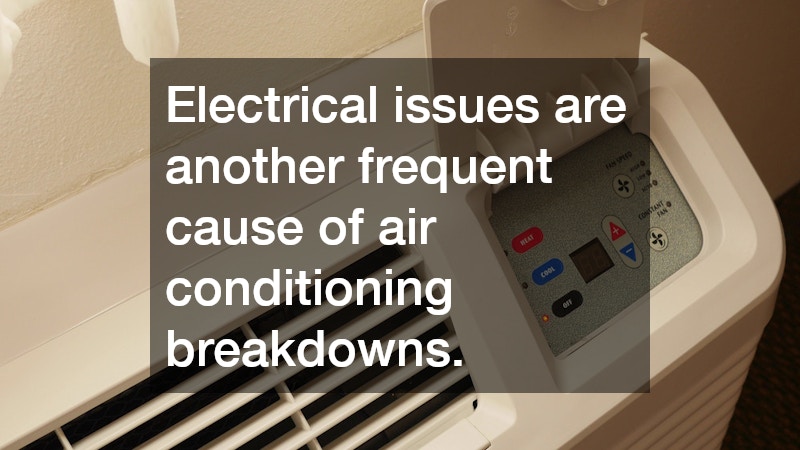
Electrical issues are another frequent cause of air conditioning breakdowns. Because the system relies on multiple electrical components, even a small fault can prevent it from working correctly. Capacitors, relays, and contactors all play important roles in starting and running the compressor and fan motors.
When a capacitor fails, the system may struggle to start or shut off unexpectedly. Faulty wiring can also cause intermittent operation or complete system failure. In some cases, circuit breakers may trip repeatedly due to overload or short circuits within the unit.
Thermostat problems are also considered electrical issues. If the thermostat sends incorrect signals, the system may cycle too frequently or fail to maintain the desired temperature. These problems can be frustrating for homeowners because they often appear inconsistent.
Electrical troubleshooting requires careful testing to ensure safety and accuracy. Technicians use diagnostic tools to locate the exact cause of failure and replace damaged components. Many homeowners first realize they need air conditioning repair when their system stops responding to thermostat settings or shuts down without warning.
Drainage Issues and Moisture Buildup
Air conditioners naturally produce condensation as they remove humidity from indoor air. This moisture is typically drained away through a condensate line. However, when this line becomes clogged with dirt or algae, water can back up into the system or leak into surrounding areas.
A blocked drain line can cause water damage, increased humidity indoors, and even system shutdowns if safety sensors are triggered. In some cases, homeowners may notice water pooling near the indoor unit or musty odors caused by excess moisture.
Regular maintenance helps prevent these issues by ensuring the drainage system remains clear. Cleaning the condensate line and checking for proper flow can significantly reduce the risk of water-related damage and improve overall system reliability.
Air conditioning systems are complex, and several issues can affect their performance over time. From airflow restrictions and refrigerant leaks to electrical failures and mechanical wear, understanding these problems helps homeowners respond quickly and effectively.
When issues arise, timely air conditioning repair ensures the system continues to operate safely and efficiently. With regular maintenance and early intervention, it is possible to avoid major breakdowns, improve energy efficiency, and maintain consistent indoor comfort throughout the year.
Copyright © The Family Home Gazette. All Rights Reserved | Sitemap