
Restoring a home is a journey that sits at the intersection of architecture, psychology, and personal finance. Whether you have just acquired a fixer-upper with “good bones” or you are looking to breathe new life into a long-time family residence, the process can feel like a mountain of endless decisions. The secret to a successful 3000-word-caliber restoration isn’t just having a large budget; it’s about understanding the sequence of operations. A home is a complex ecosystem where the roof affects the climate control, the plumbing affects the structural integrity, and the interior design affects your mental well-being.
This guide is designed to take you through a phased approach to home restoration. We will move from the “bones” of the house to the “skin” and finally to the “soul” of your living space. By the end of this roadmap, you will have a clear understanding of how to prioritize projects, manage contractors, and ensure that every dollar spent adds both functional value and emotional resonance to your life.
Phase One: Securing the Exterior Envelope

The first rule of home restoration is simple: stop the bleeding. There is no point in installing high-end finishes if the exterior of the home is failing to keep the elements at bay. Moisture is the primary enemy of any structure. If your home has a compromised barrier, you are essentially throwing money away on interior upgrades that will eventually be ruined by mold, rot, or water stains.
When assessing the exterior, start from the top. Inspecting the shingles, flashing, and gutters is the most critical step in your roadmap. A minor leak can go unnoticed for months, quietly rotting the plywood decking and soaking the insulation. Prioritizing a professional roof repair is often the smartest first move you can make. It protects every other investment you plan to make inside the house.
Simultaneously, you must look at the mechanical health of the home. Before you get into the fun of picking out paint colors, you need to ensure that your basic systems are operational. This includes an audit of your heavy systems. Often, homeowners overlook the importance of maintaining their existing machinery. Investing in timely appliance repairs for your furnace, water heater, or laundry units can prevent catastrophic failures that derail your restoration budget later on.
Key Maintenance Checklist for the Exterior:
- Clear the Gutters: Ensure water is diverted at least six feet away from the foundation.
- Check the Siding: Look for gaps or “bubbles” in the paint that indicate trapped moisture.
- Seal Windows and Doors: Use high-quality caulk to prevent drafts and energy loss.
- Inspect the Foundation: Look for hairline cracks that might suggest shifting or settling.
Phase Two: Mastering the Culinary and Social Hub
Once the home is watertight, the focus shifts to the kitchen. The kitchen is almost always the highest-ROI room in a restoration project because it serves as the command center of the home. Modern kitchens are no longer just for cooking; they are workspaces, homework zones, and social hubs.
The biggest impact in a kitchen restoration comes from the cabinetry. Replacing or professionally refinishing a kitchen cabinet set can fundamentally change the lighting and flow of the room. When choosing materials, consider the “work triangle”—the distance between the stove, the sink, and the refrigerator. If this path is blocked or inefficient, the most beautiful kitchen in the world will be frustrating to use.
Moving into the bathrooms, the focus should be on light and the illusion of space. Many older homes have cramped, dark bathrooms that feel more like utility closets. One of the most effective ways to “open up” a small bathroom without moving walls is through the clever use of glass. Installing a large, high-quality custom bathroom mirror can double the perceived light in the room and make a five-foot vanity feel like an expansive spa. It’s a small detail that offers a massive psychological shift in how you start your morning.
High-Impact Kitchen and Bath Upgrades:
- Lighting Layers: Use a mix of recessed “can” lights, under-cabinet LEDs, and statement pendants.
- Hardware Modernization: Swapping out old knobs for matte black or brushed gold can update a room for a few hundred dollars.
- Pull-Out Organizers: Retrofit old cabinets with sliding shelves to eliminate “dead zones” in deep corners.
Phase Three: The Invisible Infrastructure
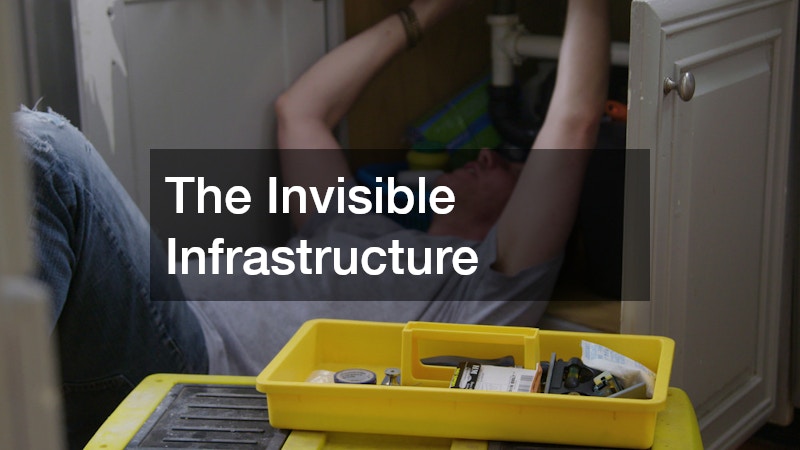
Now we move into the “veins” of the house. This phase is often the least glamorous because the results are hidden behind drywall, but it is the most vital for long-term peace of mind. Old pipes can suffer from scale buildup, corrosion, or tree root intrusion, leading to slow leaks that destroy flooring and cabinetry from the bottom up.
Modernizing your water management system is non-negotiable. While you might be tempted to just fix things as they break, a proactive approach is better. Regular drain cleaning using hydro-jetting or professional augers can clear out years of debris, preventing the messy backups that often occur during holiday parties or heavy usage periods. If your home still uses galvanized steel or old PVC, consider a full repipe.
Furthermore, don’t wait for a total system failure to call in the experts. Establishing a relationship with reliable plumbing services early in your restoration process ensures that you have a “pro on call” who understands the specific quirks of your home’s layout. This relationship is invaluable when you are trying to coordinate complex installs, like a multi-head walk-in shower or a high-efficiency dishwasher.
Critical Infrastructure Diagnostics:
- Water Pressure Test: High pressure can actually damage your fixtures; ensure your regulator is working.
- Sewer Scope: If the home is more than 30 years old, get a camera down the main line to check for cracks.
- Valve Check: Ensure the main water shut-off is easy to turn and accessible to everyone in the family.
Phase Four: Climate Control and Personal Sanctuary

A restored home should serve as a tranquil refuge from the bustling chaos of the outside world. This means that within its walls, the air should be maintained at an optimal temperature, ensuring that it is neither too hot nor too cold, but just right. Additionally, the humidity levels should be perfectly balanced to avoid the discomfort of excessively dry air or the clammy sensation of too much moisture. Equally important is the minimization of noise, creating a serene and peaceful environment. Comfort, as it turns out, is a multi-sensory experience that engages our sense of touch, hearing, and even the invisible feeling of well-being, and it all begins with the efficiency and functionality of your home’s mechanical systems.
Old furnaces and air conditioning are not only loud and inefficient, but they also struggle to provide even heating across different floors. Investing in comprehensive HVAC services—including duct sealing and the installation of a smart thermostat—will pay for itself in reduced utility bills and increased comfort. Proper filtration also removes allergens and dust, which is essential if your restoration involves a lot of construction debris.
Once the air is right, turn your attention to the bedroom. We spend a third of our lives asleep, yet the bedroom is often the last room to be “restored.” To turn your bedroom into a true sanctuary, look at the ergonomics of your rest. A high-quality adjustable bed can alleviate back pain, improve circulation, and even reduce snoring, making the room a place of genuine recovery rather than just a place to store clothes. When combined with blackout curtains and soundproofing, this becomes the most important room for your health.
Phase Five: The Finishing Touch and Professional Execution
The final phase of the restoration roadmap is where your personal style truly takes center stage. This is the “visual” layer that everyone sees. However, because these are the most visible parts of the home, the quality of craftsmanship must be impeccable. Poorly installed trim or uneven floors can make even the most expensive materials look cheap.
When you are ready to tackle large-scale changes, such as moving walls or changing the footprint of your living area, it is time to look at professional remodeling services. These experts can handle the permitting, the structural engineering, and the coordination of various trades, ensuring that the work is up to code and will pass inspection when you eventually sell the home.
Underfoot, the choice of material defines the “vibe” of the house. Hardwoods offer warmth and longevity, while luxury vinyl plank provides waterproof durability for families with pets. To ensure your investment lasts for decades, hiring experienced flooring contractors is a must. They understand subfloor preparation—the most critical part of flooring that most DIYers skip—which prevents squeaks, “bouncing” boards, and premature wear.
Tips for a Flawless Finish:
- Sample Everything: Paint colors and flooring samples look different in your home’s unique light than they do in a showroom.
- Don’t Skimp on Prep: 70% of a great paint or floor job is the sanding, cleaning, and leveling that happens before the product is applied.
- The Power of Texture: Use rugs, throw pillows, and wall treatments to soften the hard surfaces of a newly restored room.
Managing the Restoration Stress: Strategies for Sanity

Restoring a home is as much a mental challenge as it is a physical one. It is a marathon, not a sprint, and the psychological toll of living in a construction zone can be immense. To survive a project of this magnitude, you must proactively manage both your environment and your expectations.
The “Clean Zone” Philosophy
One of the most effective ways to combat “renovation fatigue” is to establish a Sanctuary Zone. This is one room—ideally a bedroom or a small den—that is completed early in the process. This space should remain strictly off-limits to contractors and construction dust. It must be fully furnished, decorated, and kept spotlessly clean. Having a single room that feels like a “normal” home provides a vital psychological retreat when the rest of the house is draped in plastic sheeting and echoing with the sound of power tools.
Communication and the “State of the Union”
Stress often stems from a lack of control or information. To mitigate this, establish a formal communication cadence with your project manager or lead contractor. A weekly fifteen-minute “state of the union” meeting on Monday mornings can prevent weeks of frustration. Use this time to review:
- The Lookahead: What specific noise or dust-producing activities are scheduled for this week?
- Decision Deadlines: What materials (tiles, fixtures, paint colors) do you need to finalize in the next seven days to avoid delays?
- Budget Check-ins: Are there any “surprises” behind the walls that have altered the projected costs?
Tactical Survival Tips
Living on-site during a restoration requires a shift in daily habits. If the kitchen is out of commission, set up a temporary “kitchenette” in a garage or dining room with a microwave, a coffee maker, and an electric kettle. Use disposable plates to eliminate the stress of washing dishes in a bathtub.
Furthermore, acknowledge the “Messy Middle.” Every project reaches a point where the demolition is done, but the rebuilding hasn’t quite taken shape yet. This is the peak of the stress curve. Remind yourself that this stage is temporary. Taking scheduled breaks from the house—booking a hotel for a weekend or simply spending the day at a park—can provide the perspective needed to keep going.
A home restoration is an act of stewardship. You are taking a structure and molding it to fit the needs of the modern world while preserving its soul. By following a structured roadmap—starting with the protective exterior, moving through the functional core of the kitchen and bath, securing the hidden infrastructure, and finishing with high-impact aesthetic choices—you ensure that your efforts result in a home that is safe, efficient, and beautiful.
Remember that the goal isn’t just to increase the property value, though that is a welcome side effect. The true goal is to create a backdrop for your life’s best moments. Whether it’s a quiet morning in a sun-drenched kitchen or a restful night in a perfectly conditioned bedroom, the effort you put into your home today will pay dividends in comfort and joy for years to come. Take it one room, one system, and one step at a time. Your dream home is already there; it’s just waiting for you to uncover it.