
Your home doesn’t send you a text message when its roof starts failing or its wiring becomes a fire hazard. Instead, it drops subtle hints over months and years, and most homeowners miss them until a small issue becomes an expensive emergency. Knowing what to look for can save you thousands of dollars and help you catch problems while they’re still manageable. This guide walks through the most common warning signs that your home is aging faster than you think, room by room and system by system.
Roof Shingles Curling or Missing Granules
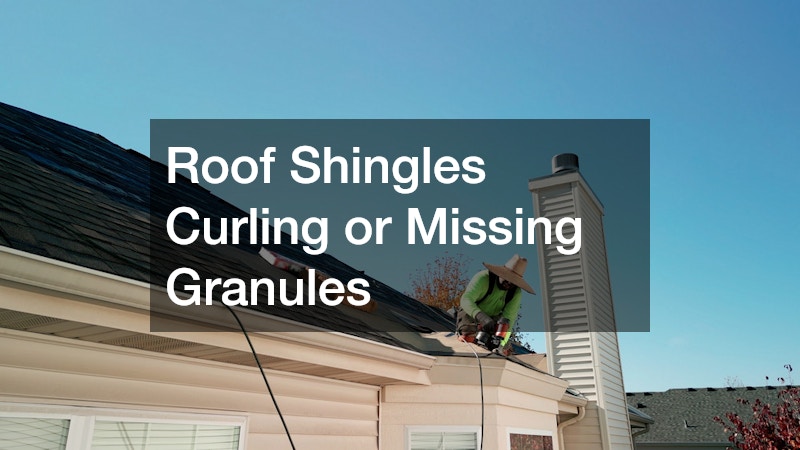
Your roof is your home’s first line of defense against weather, and it wears out faster than most people expect, especially in regions with intense sun or heavy storms. If you notice shingles curling at the edges, cracking, or losing their protective granules, your roof may be nearing the end of its usable life. These signs often show up years before an actual leak develops, which gives you time to act before water damage spreads into your attic or ceilings.
Getting a professional opinion from a roofing company early can prevent a small repair from becoming a full replacement. Many roofing contractors offer free inspections and can spot deterioration that’s invisible from the ground, such as flashing rust or soft spots in the decking. Scheduling a checkup every few years, or immediately after a major storm, is one of the simplest ways to extend your roof’s lifespan.
- Granules collecting in gutters or at the base of downspouts
- Shingles that appear buckled, cracked, or curled upward
- Daylight visible through the attic roof boards
- Dark streaks or moss patches on the roof surface
Musty Odors and Moisture Under the House
A damp, earthy smell in your lower floors often points to a problem hiding beneath your feet. Older homes with unfinished or poorly sealed crawl spaces are especially prone to trapped moisture, which encourages mold growth and attracts pests. Over time, this moisture can also warp floor joists and compromise the structural integrity of the home above.
Upgrading crawl space insulation is one of the most overlooked ways to protect a home’s foundation and improve energy efficiency at the same time. Properly installed insulation combined with a vapor barrier keeps humidity levels stable and prevents the wood-destroying conditions that lead to costly repairs. If your energy bills have crept up alongside musty smells, this hidden area is worth investigating.
- Visible condensation on pipes or ductwork beneath the house
- Soft or spongy flooring near exterior walls
- Increased allergy symptoms or a persistent musty smell indoors
- Higher than normal heating and cooling costs
Outdoor Living Spaces Showing Structural Wear
Decks and patios take a beating from sun, rain, and temperature swings, and their aging often goes unnoticed until a board gives way underfoot. Wood that feels spongy, railings that wobble, or nails popping up through the surface are all signs that the structure beneath is weakening. Because decks bear weight and connect directly to your home’s exterior wall, deferred maintenance here carries real safety risk.
When repairs no longer make sense, working with experienced custom deck build services can give you a stronger, longer-lasting outdoor space designed for your specific climate and usage. Modern materials and proper ledger board attachment techniques address many of the failure points found in older decks. Replacing an aging deck also gives you the opportunity to correct drainage issues that may have contributed to the original wear.
- Wood that feels soft, spongy, or splinters easily
- Visible gaps between deck boards or separation from the house
- Rusted or loose fasteners and connectors
- Railings that shift or wobble when leaned on
Persistent Leaks and Water Pressure Problems

Plumbing systems age quietly until a pipe bursts or a fixture stops working altogether. Homes built more than a few decades ago may still have galvanized steel or outdated copper piping that corrodes from the inside, gradually restricting water flow and increasing the risk of leaks. If you’ve noticed discolored water, unexplained drops in pressure, or damp spots on walls and ceilings, your plumbing may be aging faster than the rest of your home.
Routine attention from professional plumbing services can catch corrosion, slow leaks, and worn seals before they cause water damage. A licensed technician can also evaluate whether your water heater, shutoff valves, and supply lines are due for replacement. Addressing plumbing issues proactively is almost always cheaper than repairing the drywall, flooring, and cabinetry damaged by an undetected leak.
- Rust-colored or cloudy water coming from taps
- Noticeable drop in water pressure throughout the house
- Damp patches on walls, ceilings, or under sinks
- Unexplained increases in your water bill
Flickering Lights and Overloaded Circuits
Electrical systems don’t announce their age gracefully; instead, they show up as flickering lights, warm outlets, or breakers that trip more often than they used to. A single flickering fixture might just mean a loose bulb, but lights that dim across the whole house when the AC or microwave kicks on is a sign your electrical panel is struggling to keep up with demand.
Homes built before the 1990s were rarely wired to handle today’s demand for electronics, kitchen appliances, and home office equipment. Many older properties still run on 60-amp or 100-amp service, while modern households with multiple TVs, computers, and smart devices often need 150 to 200 amps to operate safely. If you’re relying on extension cords or power strips as permanent solutions because you don’t have enough outlets, that’s a clear signal your wiring hasn’t kept pace with your lifestyle.
Other warning signs include discolored or warm outlet covers, a persistent burning smell near switches, and the telltale buzzing sound of an overloaded circuit. Homes with outdated aluminum wiring or knob-and-tube systems, common in houses built before 1950, carry an even higher risk since these materials weren’t designed for continuous heavy use.
This mismatch between old wiring and modern usage is one of the leading causes of house fires, and it’s not a problem that resolves itself. A licensed electrician can perform a panel inspection and load assessment to determine whether your system needs a partial upgrade or a full rewire before a minor annoyance becomes a serious hazard.
Flickering lights, warm outlet covers, or breakers that trip repeatedly aren’t quirks to shrug off—they’re your electrical system waving a red flag. These symptoms often point to overloaded circuits struggling to keep up with modern power demands, especially in homes wired decades ago for far fewer devices. Ignoring them can lead to overheating, and overheating is one of the leading causes of residential electrical fires.
Bringing in a licensed electrical contractor to evaluate your panel and wiring is a smart move if your home is more than 25 years old or you’ve never had an inspection. They can identify outdated fuse boxes, aluminum wiring, or ungrounded outlets that pose real safety hazards. Many older homes were built with 60- or 100-amp panels, which simply can’t handle the load of today’s appliances, HVAC systems, and electronics without frequent strain.
During an inspection, an electrical contractor will typically check for double-tapped breakers, scorch marks inside the panel, and outdated wiring types like knob-and-tube, all of which signal it’s time for an upgrade. They can also test outlets for proper grounding, which matters not just for safety but for protecting sensitive electronics from power surges.
Upgrading your electrical system not only reduces fire risk but also supports the added load of modern conveniences like electric vehicle chargers, hot tubs, or home offices packed with equipment. Many contractors recommend moving to a 200-amp service panel during renovations, giving your home enough headroom for future upgrades without another costly overhaul down the line.
- Lights that flicker or dim when appliances like the microwave or AC kick on
- Outlets or switch plates that feel warm, discolored, or make a faint buzzing sound
- A breaker panel that trips frequently, especially the same breaker more than once a month
- A persistent burning smell near outlets or the panel, which signals overheating wires
- Panels still using outdated fuses or brands no longer manufactured, common in homes over 40 years old
- Extension cords or power strips used as permanent solutions instead of adding outlets
Furnace and Air Conditioner Struggling to Keep Up
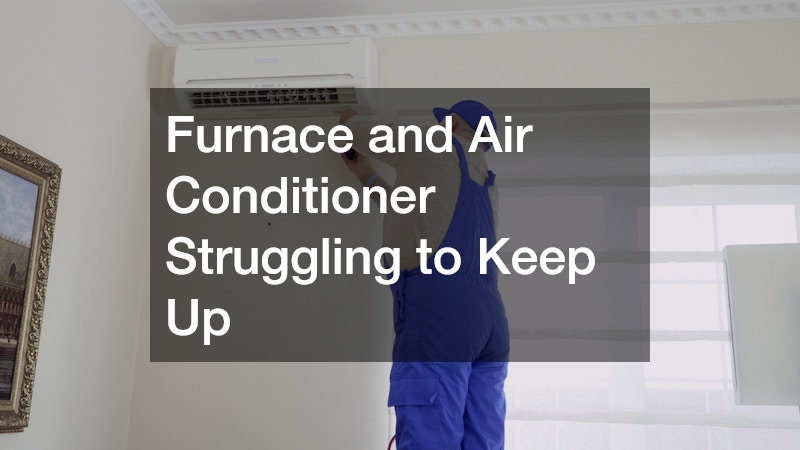
Heating and cooling systems typically last between 12 and 20 years, but many homeowners push them well past their prime without realizing efficiency has dropped significantly. Signs of aging include uneven temperatures between rooms, rising energy bills, and a system that runs constantly without reaching the thermostat setting. Strange noises like banging or squealing are also red flags that internal components are wearing out.
Timely HVAC repair can extend the life of your system and prevent a complete breakdown during the hottest or coldest days of the year. A qualified technician can also tell you whether it makes more financial sense to repair an aging unit or invest in a new, more efficient model. Regular maintenance, including filter changes and duct cleaning, plays a big role in how long your system ultimately lasts.
- Uneven heating or cooling between rooms
- Rising utility bills without a change in usage
- Frequent cycling on and off
- Unusual noises like rattling, banging, or squealing
Cracked or Crumbling Driveway Surfaces
Your driveway takes on more stress than most homeowners realize, from freeze-thaw cycles to the daily weight of vehicles. Small cracks that seem cosmetic can widen over time, allowing water to seep beneath the surface and erode the base layer. Once that happens, potholes and sunken sections tend to follow, and patch repairs become less effective.
Reaching out to established asphalt driveway companies for periodic sealing and crack repair can dramatically extend the surface’s life. Many companies recommend resealing every two to three years depending on climate and traffic, which helps prevent water infiltration before it becomes a structural problem. Catching damage early is far less expensive than a full driveway replacement.
- Cracks wider than a quarter inch
- Standing water or pooling after rain
- Faded, dry, or crumbling surface texture
- Potholes or noticeably sunken sections
Sinking Soil and Drainage Trouble Around the Foundation

The ground around your home plays a bigger role in its long-term health than most people consider. Poor grading, tree root intrusion, or old drainage systems can cause soil to shift, leading to water pooling against your foundation instead of flowing away from it. Over time, this creates hydrostatic pressure that can crack foundation walls and contribute to basement flooding.
For significant grading corrections, French drain installation, or utility line work, an experienced excavation contractor has the equipment and expertise to solve the problem at its source rather than masking the symptoms. They can also assess whether old septic lines or drainage pipes buried decades ago are contributing to the issue. Addressing drainage proactively protects not just your foundation but your landscaping and driveway as well.
- Visible pooling water near the foundation after rain
- Soil that slopes toward the house instead of away from it
- Cracks in the foundation that seem to be widening
- A basement or crawl space that floods during storms
Chimneys, Brick Facades, and Retaining Walls Losing Integrity
Masonry is built to last generations, but that doesn’t mean it’s maintenance-free. Mortar joints naturally erode over time, especially in climates with freeze-thaw cycles, and once water gets behind brick or stone, damage accelerates quickly. A leaning chimney, bowing retaining wall, or crumbling front step are all signs that the masonry has aged beyond simple cosmetic wear.
Bringing in skilled masonry contractors for repointing or structural repair can restore both the appearance and safety of these features before they become hazards. Repointing mortar joints every few decades is a normal part of home maintenance, not a sign of neglect, and it’s far less costly than rebuilding an entire wall or chimney. If you notice bricks that are spalling or crumbling to the touch, it’s worth having an expert take a closer look sooner rather than later.
- Mortar joints that are crumbling or missing
- Bricks that flake, crack, or spall on the surface
- A chimney that leans or separates from the roofline
- Retaining walls that bow, bulge, or shift position
Aging homes rarely fail all at once; they send small, easy-to-ignore signals long before a major system breaks down. By paying attention to these warning signs across your roof, foundation, plumbing, electrical, and outdoor spaces, you can address problems while they’re still affordable to fix. The best next step is a walkthrough of your own property with this list in hand, followed by a call to the right professional for anything that raises a red flag. Staying proactive today is what keeps your home safe, efficient, and comfortable for decades to come.