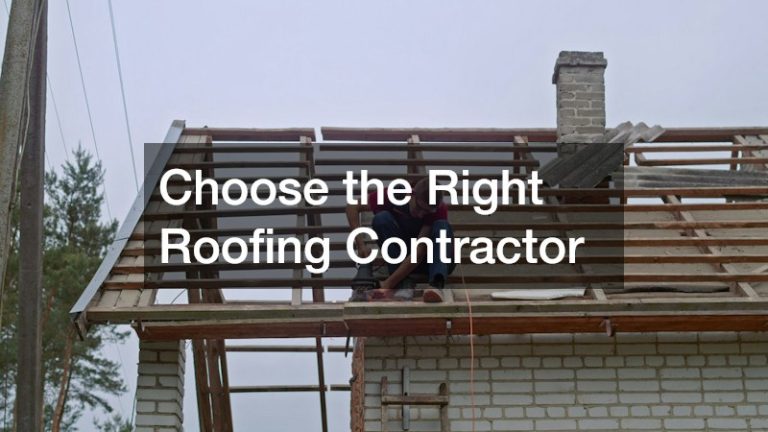
Understanding roof repair can be crucial for maintaining the value and safety of your home. This article explores the important aspects of roof repair that every homeowner should know. Regular maintenance and timely repairs can significantly extend the lifespan of your roof. By evaluating your roofing needs and taking necessary actions, you not only preserve the structural integrity of your home but also safeguard the health of those residing in it.
Proactive roof management prevents minor issues from escalating into costly problems.
1. How to Identify Roof Damage?
Identifying roof damage early is essential to prevent further deterioration and costly repairs. Common signs of roof damage include missing shingles, water stains on ceilings, and visible mold in your attic. Homeowners should conduct regular inspections, especially after major weather events, to spot signs of wear and tear. Sagging areas and detaching flashing are notable indicators of structural issues that need immediate attention. Addressing these symptoms promptly can preserve the roof’s durability and your home’s value.
Water leakage is a prevalent problem often resulting from compromised roofing elements. Small leaks can go unnoticed, but over time they lead to significant structural damage and can even affect the electrical wiring within walls. To detect leaks, homeowners should look for discoloration or moisture on ceilings and walls, especially after rain. Additionally, a thorough attic inspection can reveal signs of water seepage before they become visible indoors. Timely detection and repair of leaks can save you from extensive repairs.
Wind and storms can exacerbate roof damage, dislodging shingles and leading to water infiltration. High winds can uplift shingles and cause debris impacts that break or tear roofing materials. Spotting loose or damaged shingles is crucial as they act as the first line of defense against the elements. Regular cleaning of gutters and downspouts ensures water drains properly and reduces the risk of leaks caused by water pooling. Maintenance of surrounding trees can also prevent branch strikes during storms.
2. What Are the Costs Involved in Roof Repair?
The cost of roof repair can vary significantly based on the extent of the damage and the type of materials required. Minor repairs might involve simple tasks like replacing a few shingles or resealing small leaks at a relatively lower cost. However, extensive repairs involving structural elements or premium materials can become costly. It is advisable for homeowners to get multiple quotes from different contractors to ensure competitive pricing. Setting aside a maintenance budget can effectively cushion the financial impact of unexpected roof repairs.
Lack of timely repairs can compound into more costly replacement projects. For instance, small leaks can escalate into major water damage, requiring not only roof repair but also interior renovations. In such scenarios, expenses can surpass initial estimates if underlying issues like mold growth are discovered. Therefore, investing in regular inspections and preventive maintenance is a cost-effective strategy. It’s also crucial to check if your homeowner’s insurance covers certain damages, which could significantly reduce repair expenses.
When calculating repair costs, materials are a significant factor. Some materials, such as asphalt shingles, are more affordable yet less durable compared to others like metal or slate. While opting for premium materials increases upfront costs, they often provide better longevity and weather resistance, reducing long-term expenses. Additionally, labor costs can vary depending on the complexity of repairs and local labor rates, thus it is wise to consider both material and labor when budgeting for roof repair.
3. How to Choose the Right Roofing Contractor
Selecting a reliable roofing contractor is crucial to ensuring quality repairs. Start by researching local companies with strong reputations and positive customer feedback. An established contractor will have the necessary licenses and insurance, which protect you from liabilities. It’s imperative to verify references and previous work to ensure their expertise aligns with your roofing needs. Communication with the contractor should be clear, and all agreements should be documented in a written contract.
Obtaining multiple estimates from different contractors can provide a clearer picture of the market rate for the required services. It’s important to remember that the cheapest option isn’t always the best; quality workmanship should be the priority. Discuss the project timeline, materials, and warranty with each contractor; a detailed estimate ensures transparency and helps avoid hidden costs. The right contractor will offer insights and recommendations tailored to your specific situation, ensuring a cost-effective and durable solution.
A critical aspect of picking the right roofing contractor is their approach to customer satisfaction. Check if the contractor offers post-repair services such as maintenance or periodic inspections, which can enhance the longevity of your roof. Engaging a contractor who values customer relationships often results in a better working experience and satisfactory project outcomes. A reputable contractor will also guide you in selecting the best materials and methods tailored to your budget and structural needs.
4. When Should You Consider Roof Replacement?
As roofs age, they naturally reach the end of their lifespan and may require replacement rather than repair. Signs that indicate the need for replacement include pervasive leaks, widespread shingle damage, and significant sagging. Typically, asphalt shingle roofs last about 20-25 years, while metal or tile roofs have a longer lifespan. If you notice aging signs such as exposed underlayment or granule loss, it may be time to consider a new roof. Roof replacement can provide increased energy efficiency and improved aesthetics.
Cost comparisons between frequent repairs and full replacement are necessary to determine the most economical approach. Recurrent repairs might initially seem affordable but can accumulate over time, surpassing the cost of a new roof. Replacement, although typically more expensive initially, eliminates the recurring costs and concerns associated with an aging roof. Additionally, modern roofing materials offer superior insulation and energy efficiency, which can generate savings on utility bills over time. An energy-efficient roof is an investment that can enhance the sustainability of your home.
Timing your roof replacement strategically can optimize costs and convenience. Planning for replacement in the off-peak seasons, such as late fall or early winter, can yield lower labor costs. It’s also wise to schedule replacements at a time when weather conditions are favorable to avoid project delays. Advanced planning allows for thorough material selection and contractor examination, ensuring a seamless transition to a new roof. A proactive approach to roof replacement enhances the overall return on investment by minimizing potential issues during the installation process.
5. What Materials Are Best for Roof Repair?
The choice of materials is pivotal to the success and durability of a roof repair. Asphalt shingles are a popular choice for their affordability and ease of installation, but they may not last as long as metal or slate roofs. Metal roofs, although more expensive, offer robustness and can withstand severe weather conditions effectively. Slate and tile roofs provide unmatched longevity and are highly resistant to fire, but their weight necessitates stronger supporting structures. Choosing the best material involves balancing immediate costs against long-term benefits and durability.
Environmental considerations can influence material selection as well. Eco-friendly roofing materials, like recycled shingles or cool roofs, reduce energy costs and have a lower carbon footprint. Cool roofs, designed to reflect sunlight and absorb less heat, enhance energy efficiency and reduce cooling expenses. Homeowners interested in sustainable solutions should research materials that contribute to LEED certification or other green building standards. Integrating environmentally conscious choices in roof repair can significantly enhance the home’s long-term value.
It’s also crucial to consider the aesthetic and architectural style of your home when selecting roofing materials. The material and color of your roof significantly influence the overall appearance of your property. Compatibility with existing exterior features such as siding, brickwork, or landscaping should guide material choice. An aesthetically pleasing roof not only enhances curb appeal but also adds to the home’s market value. Collaborate with your contractor to choose materials that align with both practical needs and visual preferences.
Roof repair is a critical aspect of home ownership that requires careful attention and informed decisions. By understanding how to diagnose problems, manage costs, choose professionals, and select materials, homeowners can effectively maintain and enhance their roofs. Incorporating routine inspections and engaging professional services when necessary safeguards the home’s structural integrity. Proper maintenance and timely repairs can extend roof longevity and provide peace of mind to homeowners. Investing in both the aesthetic and functional aspects of roof repair upholds the safety and value of the property.