
Owning a home comes with ongoing responsibilities, from keeping essential systems working to maintaining the property’s appearance and protecting its long-term value. While some projects can wait until time and budget allow, others require prompt attention to prevent damage, improve safety, or maintain comfortable living conditions. Knowing which home services to prioritize helps homeowners make informed decisions and avoid unnecessary expenses.
The best approach is to assess your property’s current condition, identify potential risks, and create a maintenance plan that reflects your household’s needs. Regular inspections and timely repairs can help you address small problems before they become more expensive projects. It is also important to distinguish urgent repairs from optional upgrades so you can direct your budget toward the work that matters most.

Address Structural Problems First
Your home’s structural integrity should be one of your highest priorities. Problems involving the foundation, roof, or other essential building components can affect safety and lead to additional damage if left unresolved.
Foundation concerns deserve particular attention because the foundation supports the entire structure. Cracks, uneven floors, doors that suddenly stick, and gaps around windows may indicate movement or other underlying problems. Although some small cracks are cosmetic, others can signal more serious issues that require professional assessment.
If you notice concerning changes, arrange an inspection with a qualified specialist. Professionals offering local foundation repairs can evaluate the condition of the structure, identify potential causes, and recommend appropriate solutions. Addressing the underlying issue is generally more effective than simply covering visible cracks.
The roof also protects your home from rain, wind, and other environmental conditions. Missing shingles, damaged flashing, leaks, and deteriorating roof materials can allow moisture to enter the building. Even a relatively small leak may damage insulation, ceilings, and interior finishes if it continues unnoticed.
Homeowners should inspect their roofs periodically and arrange professional assessments when damage is suspected. When comparing roofing companies, ask about inspection findings, recommended repairs, material options, warranties, and the estimated cost of the work.
It is important to prioritize structural problems according to their severity. A minor cosmetic imperfection may not require immediate action, but active leaks, significant foundation movement, or visible structural deterioration should not be ignored. Addressing these concerns early can help protect your property and reduce the likelihood of more extensive repairs.
Keep Plumbing and Water Systems Working Properly
Reliable plumbing is essential for everyday activities, including cooking, cleaning, bathing, and laundry. Plumbing problems can quickly disrupt household routines, while leaks and drainage issues may cause water damage if they remain unresolved.
Pay attention to dripping faucets, slow drains, unusual water pressure changes, damp cabinets, and unexplained increases in water usage. These signs may indicate a developing problem that deserves investigation. A burst pipe or major leak requires prompt attention because water can damage flooring, walls, electrical components, and personal belongings.
Water quality is another consideration for some households. Hard water contains elevated concentrations of minerals, particularly calcium and magnesium, which can contribute to scale buildup in plumbing fixtures and appliances. If your home has a water softener, follow the manufacturer’s maintenance recommendations and monitor the system for changes in performance.
When the system stops working correctly, water softener repairs may help restore its intended function. A qualified technician can investigate potential issues with the controls, regeneration cycle, or other components and determine whether repair or replacement makes more sense.
Septic systems require their own maintenance schedule. If your property relies on an onsite wastewater system, learn its capacity, understand any applicable maintenance requirements, and watch for warning signs such as slow drains, sewage odors, or unusually wet areas near the drain field.
Scheduling septic pumping at appropriate intervals can help manage accumulated solids and support proper system operation. The required frequency depends on factors such as tank size, household occupancy, water usage, and system condition, so homeowners should follow professional recommendations rather than relying on a universal schedule.
Regular attention to plumbing and water systems helps preserve household convenience while reducing the risk of damage that could affect multiple rooms or require costly restoration.
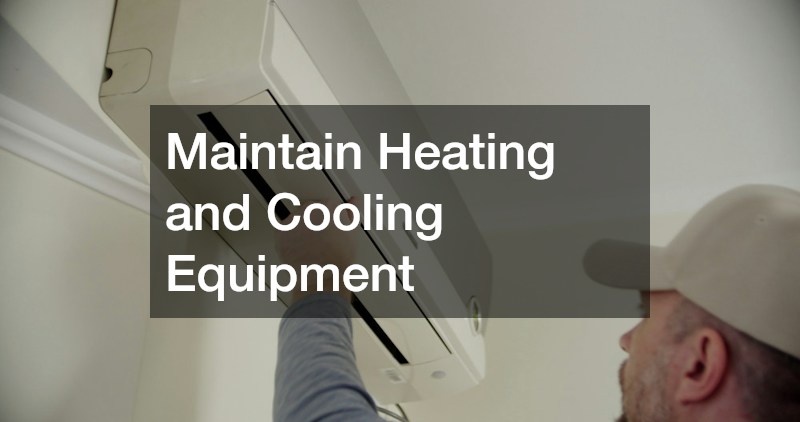
Maintain Heating and Cooling Equipment
Indoor comfort depends heavily on the condition of your home’s heating, ventilation, and air conditioning equipment. A system that operates inefficiently may struggle to maintain comfortable temperatures, consume more energy, or experience premature wear.
Homeowners should follow the manufacturer’s recommended maintenance schedule and pay attention to changes in system performance. Uneven temperatures, unusual noises, weak airflow, and unexpected increases in energy bills may indicate that an inspection is needed.
Air filters should be checked regularly and replaced or cleaned according to the equipment’s instructions. Keeping supply and return vents unobstructed can also help support airflow. However, homeowners should leave complex electrical, refrigerant, and mechanical repairs to appropriately qualified professionals.
If your system is not cooling properly, air conditioning repair services can help identify the cause. A technician may investigate issues involving electrical components, refrigerant levels, airflow, thermostats, or other parts of the equipment. Prompt diagnosis can help determine whether a repair is sufficient or whether a larger investment is warranted.
It is also useful to distinguish between preventive maintenance and emergency repairs. Routine servicing can identify wear before it causes a breakdown, while urgent attention may be necessary when equipment stops working during extreme temperatures or presents a safety concern.
When deciding whether to repair or replace older equipment, consider its age, operating condition, repair history, efficiency, and estimated future maintenance costs. Request a clear explanation of the available options before making a decision.
Heating and cooling systems are essential to household comfort, so maintaining them should be part of your regular home care plan rather than something addressed only after a breakdown.
Address Outdoor Hazards and Property Maintenance
Your property’s outdoor areas also require attention. Trees, drainage, walkways, fences, and other exterior features can affect safety, accessibility, and the condition of your home.
Trees provide shade and visual appeal, but damaged branches, unstable trunks, or excessive growth near buildings may create hazards. Storms can increase the risk of falling limbs, particularly when trees are already weakened or poorly maintained.
A professional tree service can assess tree health, identify potentially dangerous branches, and recommend appropriate pruning or removal when necessary. Homeowners should be especially attentive to branches near roofs, driveways, and overhead utility lines. Work involving power lines should be handled by the appropriate utility provider or qualified specialists.
Outdoor drainage is another important consideration. Water should generally drain away from the home’s foundation rather than collect beside it. Blocked gutters, poorly directed downspouts, and uneven landscaping can contribute to standing water or moisture problems.
Inspect exterior drainage after heavy rainfall and address visible blockages or damage. If water repeatedly collects near the foundation, consider obtaining a professional assessment to identify the cause instead of treating each occurrence as an isolated problem.
Walkways, steps, and driveways should also be checked for loose materials, uneven surfaces, and other hazards. These issues may be particularly important for households with young children, older adults, or people with mobility limitations.
Prioritize outdoor maintenance according to risk. A tree with a potentially dangerous branch over a frequently used walkway deserves attention before a purely decorative landscaping project. By addressing hazards early, homeowners can make their properties safer and reduce the chance of preventable damage.

Improve Energy Efficiency Where It Makes Sense
Once urgent repairs and essential maintenance are under control, consider improvements that may reduce energy consumption and improve indoor comfort. The most useful projects depend on your home’s condition, local climate, utility costs, and available budget.
Start with relatively straightforward measures. Sealing air leaks, maintaining insulation, using suitable window coverings, and keeping heating and cooling equipment in good condition may help reduce unnecessary energy use. The potential savings vary depending on the property’s existing efficiency and the changes made.
For larger investments, consider whether renewable energy could be suitable for your home. A solar company can assess factors such as roof orientation, shading, system size, and expected electricity production. Ask for an estimate that explains equipment costs, installation expenses, warranties, and projected performance.
It is also important to understand local incentives, utility policies, and any requirements that apply to connecting a solar system to the electrical grid. Review financing arrangements carefully, particularly when a proposal involves a long-term loan or lease.
Before committing to an upgrade, compare the expected benefits with the total cost. Ask how long the equipment is expected to last, what maintenance it requires, and whether any additional electrical or roofing work may be necessary.
Energy improvements should not take priority over immediate safety concerns or active structural damage. However, once essential repairs are addressed, carefully selected upgrades may support more comfortable living conditions and help homeowners manage ongoing utility expenses.
Repair Interior Features Before Damage Spreads
Interior maintenance may seem less urgent than foundation or roof repairs, but certain problems can worsen when ignored. Damaged surfaces, persistent moisture, deteriorating sealants, and malfunctioning fixtures can affect the comfort and usability of your living space.
Bathrooms deserve particular attention because they are regularly exposed to water and humidity. Check around tubs, showers, sinks, and toilets for deteriorating caulk, damaged grout, loose fixtures, or signs of moisture behind surrounding surfaces.
A small chip in a bathtub may initially appear cosmetic, but the appropriate repair depends on the material, location, and extent of the damage. A bathtub repair service can assess whether refinishing, patching, or another solution is suitable. Ask what the repair involves, how long the surface must remain unused, and what care is recommended afterward.
Homeowners should also monitor kitchen cabinets, flooring, and interior walls for signs of leaks or deterioration. Bubbling paint, swollen wood, and persistent musty odors may indicate an underlying moisture issue. Repairing the visible damage without addressing its source may lead to recurring problems.
Cosmetic updates, such as repainting walls or replacing outdated fixtures, can improve the appearance of your home, but they should generally follow repairs that protect the building and prevent further deterioration.
Create a list of interior concerns and rank them by urgency. Address active leaks, damaged flooring that creates a tripping hazard, and other functional problems before spending money on purely decorative changes. This approach helps you maintain a comfortable home while making better use of your improvement budget.

Plan for Major Life Changes and Household Transitions
Homeownership responsibilities can change significantly when you move, welcome a family member, prepare for retirement, or experience another major life event. Planning for these transitions can help you avoid rushed decisions and identify services you may need in advance.
If you are preparing to relocate, a moving company can help with packing, transportation, and the handling of household belongings. Before hiring one, request a written estimate, confirm which services are included, and ask about insurance or valuation coverage, scheduling, and policies for damaged items.
Planning ahead is particularly useful when coordinating a move with other home projects. You may need to complete repairs before listing a property, arrange maintenance at a new home, or schedule utility connections around your moving date. Keeping a timeline and documenting agreements can reduce the chance of conflicting appointments or unexpected costs.
Homeowners should also review important legal and financial arrangements as circumstances change. An estate planning lawyer can explain options for documenting your wishes, preparing appropriate estate planning documents, and addressing questions involving property, beneficiaries, or decision-making authority.
The documents and arrangements that make sense will depend on your circumstances and applicable laws. Ask about the professional’s experience, fee structure, and the process for updating documents after major life changes.
Planning for transitions is not necessarily an urgent maintenance task, but it can be an important part of protecting your household’s long-term interests. By addressing practical, financial, and legal considerations in advance, you can make major changes more manageable.
Create a Realistic Home Maintenance Budget
Prioritizing home services becomes easier when you have a clear understanding of your finances. Without a plan, homeowners may postpone necessary repairs or commit to improvements that strain their budgets.
Begin by reviewing your home’s age, condition, major systems, and recent repair history. Use this information to identify likely maintenance needs over the coming months. Keep records of inspections, warranties, receipts, and completed work so you can make informed decisions about future expenses.
Separate essential repairs from optional upgrades. Structural problems, significant leaks, unsafe electrical conditions, and failed heating or cooling equipment may require immediate attention depending on the circumstances. Cosmetic renovations and nonessential additions can often be scheduled later.
It is also wise to maintain an emergency reserve for unexpected problems. The appropriate amount depends on your household’s finances and the condition of your property. If saving for every possible repair seems overwhelming, begin with a manageable amount and build your reserve gradually.
When hiring professionals, obtain detailed estimates and compare the proposed scope of work rather than focusing only on the total price. Check applicable licensing and insurance requirements, review warranties, and confirm the payment schedule before agreeing to a project.
Finally, reassess your priorities periodically. A maintenance plan should change as your home ages, your household grows, and new issues arise. Reviewing your budget and inspection records can help you allocate resources to the services that provide the greatest benefit.
Prioritizing home services starts with protecting your property’s structure, maintaining essential systems, and addressing hazards before they cause further problems. Plumbing, heating and cooling, roofing, foundation care, and outdoor maintenance deserve regular attention, while energy upgrades and cosmetic improvements can be planned around your needs and budget.
Every home is different, so the most effective maintenance plan will reflect your property’s condition, local environment, and household circumstances. Inspect your home regularly, consult qualified professionals when concerns arise, and keep clear records of repairs and expenses. With a practical approach to maintenance and planning, you can protect your investment, support your family’s comfort, and make homeownership more manageable over time.